LAKE SEBU, South Cotabato (MindaNews / 21 November 2026) — When Fahmiya Dimakilang Kirab returned to her hometown of Palimbang, Sultan Kudarat, after attending the SOX Writers Workshop, she did not only bring home lessons in writing. She also began working to revive a literary organization formed by her former students.
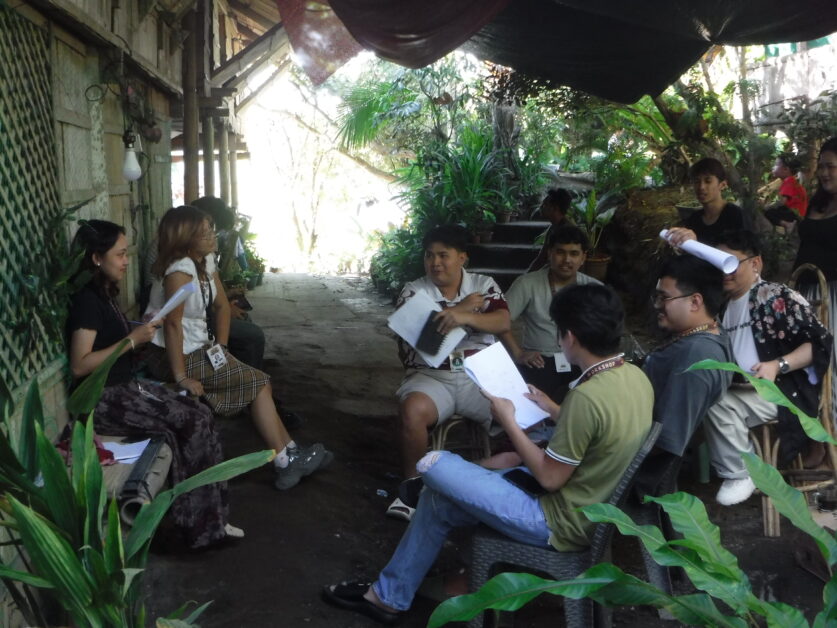
Kirab discovered that the group, called Kampilan, had been organized in 2021 but had since become inactive. She reconnected with its members, encouraged them to revive the organization and volunteered to serve as their adviser.
The initiative reflects a concern raised by other fellows during the workshop’s closing program on November 16: the lack of established literary communities and spaces for writers to develop their craft in some parts of Soccsksargen.
For Kirab, building such a community goes alongside her own efforts to document a history that remains important to her hometown.
She is currently polishing a manuscript titled “Pusaka: Ang Kwento ng Malisbong Massacre,” which recounts the 1974 massacre in Malisbong, Sultan Kudarat. She plans to apply for a grant from the National Book Development Board to help finance its publication, saying her financial capacity has made it difficult to publish her work.
Kirab took five days of mandatory leave after the workshop to concentrate on writing while the experience was still fresh.
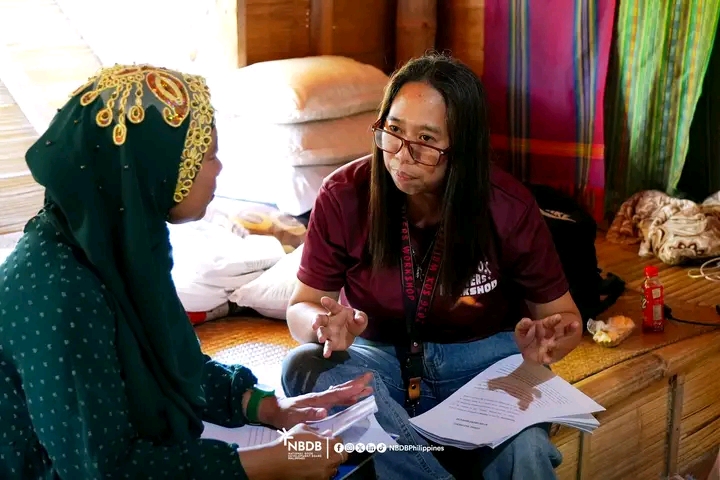
She said the workshop made her realize that producing a book was possible even for writers from remote communities whose histories have received little recognition.
After completing “Pusaka,” she plans to write a novel about her father, who became a leader among Maguindanaon, Ilokano and Manobo communities in their locality. He was among the children transported aboard a ship during the 1974 Malisbong Massacre and later became a commander of the Moro National Liberation Front.
Her plans, however, also point to a wider challenge: the need for sustained literary spaces and resources beyond regional workshops, particularly in communities where writers have limited opportunities to meet, receive mentorship and publish their work.
Jessa Mae Magbanua, director of the November 13 to 16 workshop and chairperson of the Timog Literary Circle, said some fellows expressed their intention to establish or strengthen literary communities in their respective provinces.
She cited the experiences shared by Kirab and Loynei Frias Sumalinog of Kidapawan, noting that literary communities are not yet firmly established in some localities.
Magbanua said the workshop received 76 submissions, which she considered an indication of the growing interest in literary writing across the region.
But limited funding prevented organizers from accommodating more applicants. She hopes future editions can accept at least five fellows per genre.
The workshop, held at the School of Living Tradition and Homestay in Lake Sebu, introduced playwriting as a fourth genre, alongside poetry, creative nonfiction and fiction.
Magbanua said adding playwriting was initially an experiment, but organizers were pleased that it was successfully implemented.
This year’s selection process was also conducted anonymously, unlike previous editions when literary organization heads largely selected the fellows.
Magbanua hopes future organizers will also invite writers from the Visayas and Luzon to expand literary exchanges beyond Mindanao.
Literary work in local languages
Beyond the availability of writing spaces, the development of regional literature also depends on whether writers can tell stories using the languages and cultural experiences of their communities.
Onyx Cabiles, poetry mentor, said Soccsksargen’s multilingual population and cultural diversity are reflected in the literary works produced in the region.
He said writers’ use of different languages, including the mixing of languages within individual works, reflects both the region’s cultural diversity and the coexistence of its communities.
Cabiles said initiatives such as the SOX Writers Workshop are important in helping emerging writers improve their craft, particularly those who want to write about their hometowns and experiences using their mother tongues.
Jennie Arado, creative nonfiction mentor and adviser of the Timog Literary Circle, said the workshop differs from other regional writing workshops because it is organized through the collaboration of literary organizations across Soccsksargen.
The workshop has a different host-province each year, but participating literary organizations remain involved in its organization.
Arado said organizers also try to ensure provincial representation among the fellows. When a province has no fellow accepted, they invite a mentor or facilitator from that area.
The workshop also included cultural immersion activities with Tboli cultural bearers Maria Todi and Linda Weaver, as well as Bundos Fara, a Gawad sa Manlilikha ng Bayan awardee recognized for brass casting.
For poetry fellow Sachi Remollo, the workshop provided an opportunity to examine how language affects the meaning of literary work.
Although she usually writes in English, she submitted a poem originally written in English that she translated into Hiligaynon-Bisaya.
The poem explored how she was gradually acquiring some of her father’s negative traits, addressing her mother, who had not noticed these changes. But translating it altered its meaning, with the gender-neutral pronouns in the local languages giving the poem another interpretation, this time touching on generational trauma.
The experience made her reconsider translating her work and led her to decide that she would write future poems in the language she originally intends to use.
Remollo also said she initially doubted her technical knowledge of poetry because she had mainly written to express her emotions rather than to develop pieces for an audience.
Through discussions with her mentor and fellow participants, she learned to consider the intention behind individual lines and how each contributes to the story of a poem.
Magbanua said the growing number of writers producing works in Hiligaynon, Cebuano and Maguindanaon reflects the region’s expanding literary activity. She cited the SOX Writers Workshop and the SOX Zine Festival as examples of initiatives bringing writers and literary organizations together.
But the workshop’s 76 submissions also highlight a question that organizers continue to face: how to provide opportunities for more writers when financial resources and institutional support remain limited.
For fellows returning to provinces where literary organizations are still developing, the challenge extends beyond improving their writing.
In Kirab’s case, it means working to revive a group of young writers while trying to publish a book about a history she believes deserves to be heard.
The workshop may last only four days, but its organizers and fellows hope the spaces for writing and literary exchange it creates will continue long after participants return home. (Justine Paul Paraz / MindaNews)