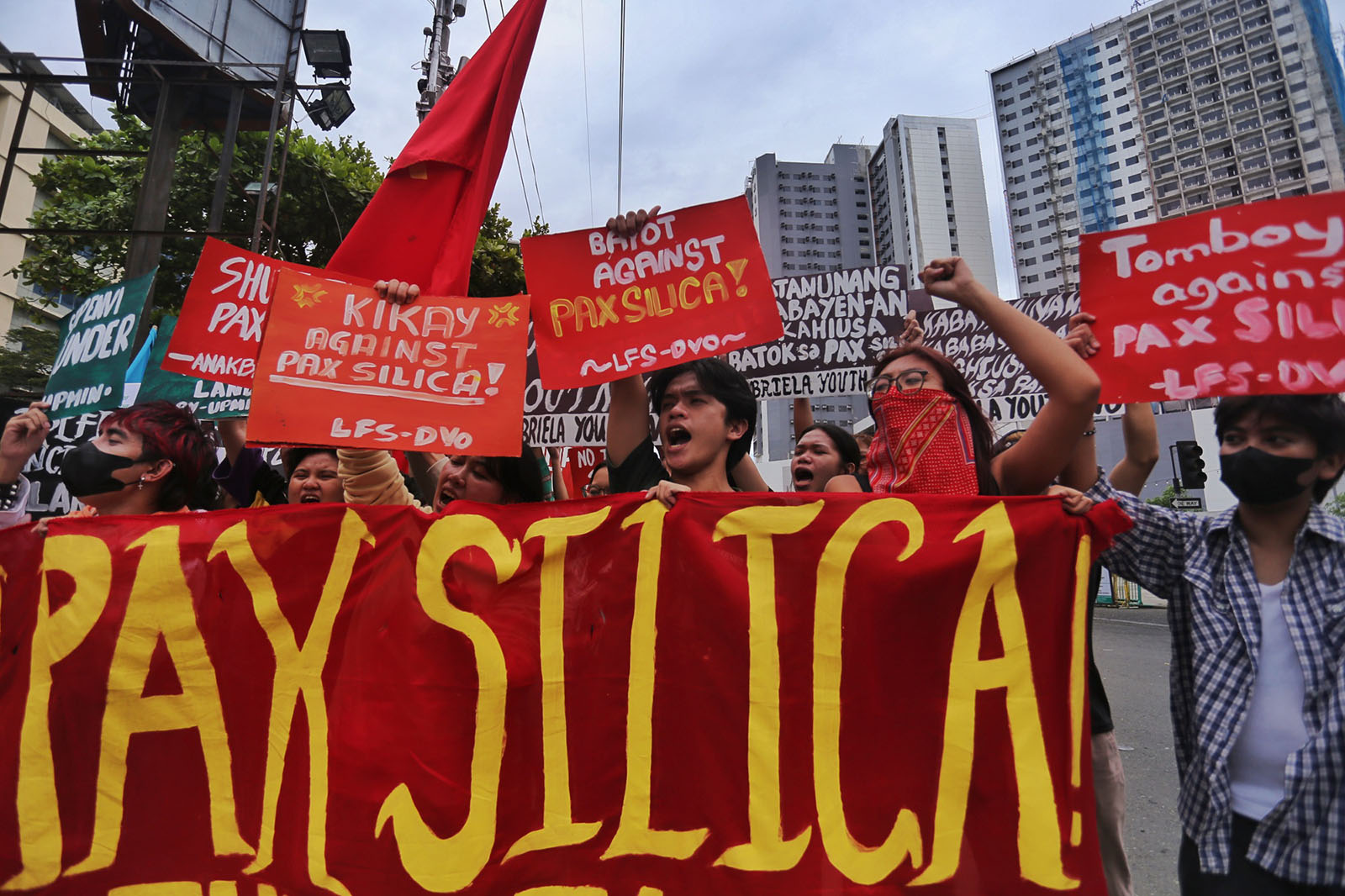
DAVAO CITY (MindaNews / 17 November 2026)– Environmental group Interfacing Development Interventions for Sustainability (IDIS) maintained that development must never come at the expense of national sovereignty, people’s rights, and the environment, as it criticized the proposed establishment of a US-led Pax Silica industrial and artificial intelligence (AI) hub in the country.
In a statement issued on Monday, November 16, IDIS said while this initiative presents an opportunity for investments, jobs, and technological advancement, it questioned what the Philippines would stand to gain from hosting Pax Silica and at what cost to the Filipino people.
“Pax Silica may promise security, prosperity, and technological advancement. But security for whom? Prosperity for whom? And at whose expense? If our mountains are destroyed, our rivers burdened, our forests cleared, our communities displaced, and our resources used to sustain industries whose greatest benefits go elsewhere, then we must ask whether this is truly development or simply another form of exploitation,” the group said.
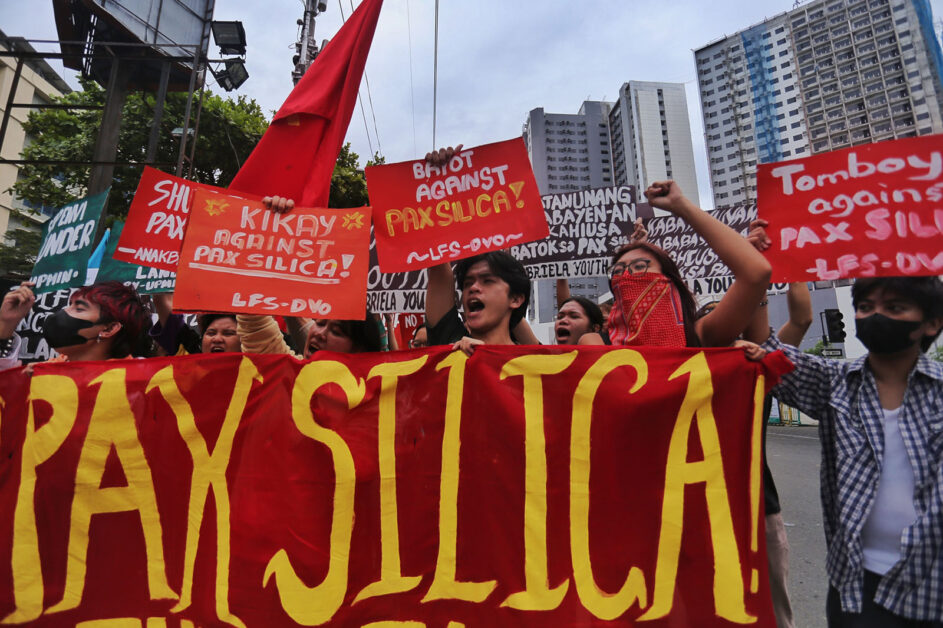
While the group acknowledged the need for more investments, decent jobs, and industries in the country, it pointed out that development must never become an excuse to sacrifice national sovereignty, disregard people’s rights, exploit natural resources, and destroy the ecosystems.
In pursuing the establishment of a superintelligence and supply chain security hub in Central Luzon, the group also asked who would control these industries, facilities, and resources, and whether the national government would retain the power to make decision or simply yield to the demands of the foreign investors.
It questioned whether promises of economic growth, employment, international partnerships, and stable supply of technologies will strengthen the Philippine economy or leave it more dependent on foreign countries and corporations.
“If the initiative is designed to secure the supply of resources and technologies for powerful foreign economies, whose security are we actually protecting? Whose interests will come first when their demands conflict with the needs of the Filipino people,” IDIS asked.
Citing the 1987 Constitution, the group emphasized that natural resources belong to the Filipino people, and their use and development must remain under the full control and supervision of the State.
It added that the fundamental law likewise obligates the government to prioritize national interest and ensure that economic progress benefits the people.
Foreign companies are welcome to invest in the Philippines but must strictly adhere to Philippine laws and serve the country’s interest first, the group pointed out.
“National sovereignty means more than having our flag over our territory. It means having the power to decide what happens to our land, resources, and economy. We cannot call it national development if our resources are used to secure the interests of other countries while our own people remain dependent and our communities bear the costs,” it added.
IDIS also said the Philippines would play a major part in the initiative, aimed at strengthening the “supply chains of powerful technology-producing countries by securing access to critical minerals, expanding manufacturing, and developing industrial infrastructure.”
According to IDIS, the Philippine government will provide access to its mineral resources, including nickel, copper, and other industrial materials, while hosting facilities for mineral processing and advanced manufacturing.
The environmental group also feared the hub would pave the way for more mining activities in the country.
Mining, the group stressed, is not a harmless activity because it can destroy forests, pollute rivers, damage farmlands, cause permanent damage to entire ecosystems, and affect watersheds, fisheries, agriculture, and communities.
“As the demand for these technologies grows, so does the demand for the minerals needed to produce them. The Philippines, with its rich deposits of nickel, copper, and other minerals, stands to become an important supplier,” it said.
Rehabilitation cannot simply bring back the original forest, biodiversity, and natural systems that took generations to develop, the group said.
“A replanted mining site is not the same as an intact ecosystem. No amount of promised rehabilitation can guarantee that the damage to watersheds, wildlife, and communities will be undone,” it said.
IDIS also expressed alarm over the amount of water needed for the operation of the industrial hub. Citing the Bases Conversion and Development Authority, it said the hub will need 65 to 90 million liters of water every day.
“This is just one industrial development. Imagine the cumulative demand if more facilities of this scale are established across the country. There are proposals to collect and store river water, harvest rainwater, recycle water, and develop dedicated water facilities for the industrial hub. But building these facilities does not make the resources free or unlimited,” it said. (Antonio L. Colina IV / MindaNews)