DAVAO CITY (MindaNews / 22 November 2026) – The Davao City Chamber of Commerce and Industry (DCCCI) is looking forward to partnerships with Dutch companies for its abaca and cacao products as a “ticket to premium markets like Europe.”
DCCCI vice president for agriculture Cherrylin Casuga said these partnerships will help them penetrate high-value markets, especially in Europe, by forging a memorandum of understanding through the Dutch Embassy.
Casuga told MindaNews last Nov. 17 that the chamber continues to assist its members in securing relevant certifications to enhance their business capabilities and prepare them to participate in the export business in the future.
“Now if our cacao, our abaca, and other products meet the international sustainability standards, they can enter higher value markets,” she said.
She added the role of the chamber is finding ways for the partnerships to flourish and investments to develop.
On Nov. 10, Dutch companies hinted at possible collaborations in the agri-business sector, particularly the exportation of abaca and cacao from Mindanao as part of Netherlands’ efforts relating to sustainable agriculture.
During the seminar on “Sustainable Agriculture and Agri-Innovations for Resilient Supply Chains” at Aria Hotel, Netherlands Ambassador Roderick Wols said Mindanao “holds immense potential to feed the Philippines and offers many opportunities for strategic collaboration.”

The seminar, he said, “is to showcase Dutch companies and innovation that can add real value to Philippine agri-supply chains and to present The Netherlands as a partner for sustainable agriculture development in Mindanao,” which he said includes cacao and abaca.
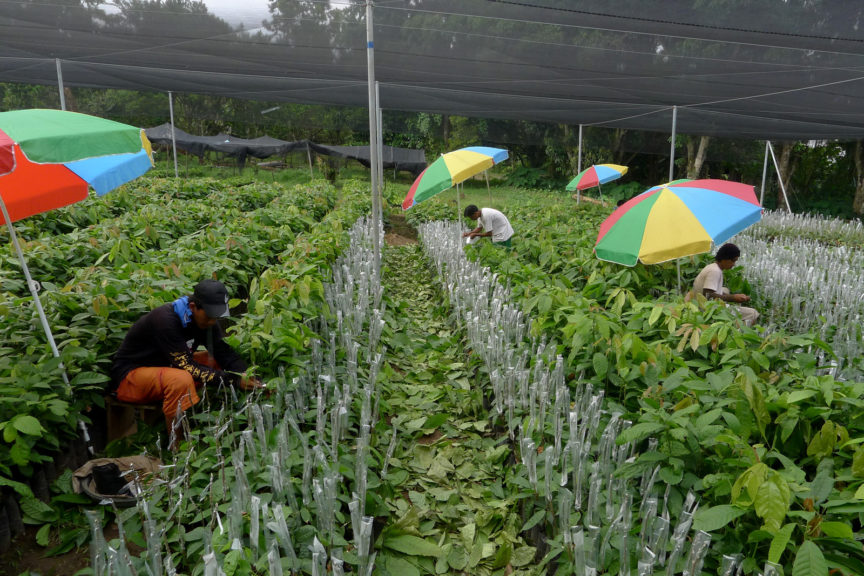
Mindanao is the country’s largest producer of cacao, according to the Philippine Statistics Authority (PSA), with Davao Region as the top contributor at 1.67 thousand metric tons, or 71.2% share to the country’s total cacao production in April-June 2023.
Cacao’s origins in the Philippines began in 1670, with commercial farms established in the 1950s, according to the Department of Agriculture’s (DA) Philippine Cacao Industry Roadmap 2021-2025.
The production level reached 35,000 MT by 1990, DA stated.
“However, production started to decline due to several factors such as typhoon, pests and diseases infestation, aging trees and possible genetic deterioration on commonly used varieties,” it said.
DA, citing data from PSA, said Philippine cacao production in 2020 stood at 9,340.73 MT from the 31,285.36 hectares planted with the crop.
Also in 2020, cacao imports surpassed exports. Imports totaled 62.1 thousand kg, while exports only reached 7.8 thousand kg.
Limited technical training, gaps in agricultural practices, as well as using makeshift equipment in handling cacao are among the challenges cacao farmers encounter.
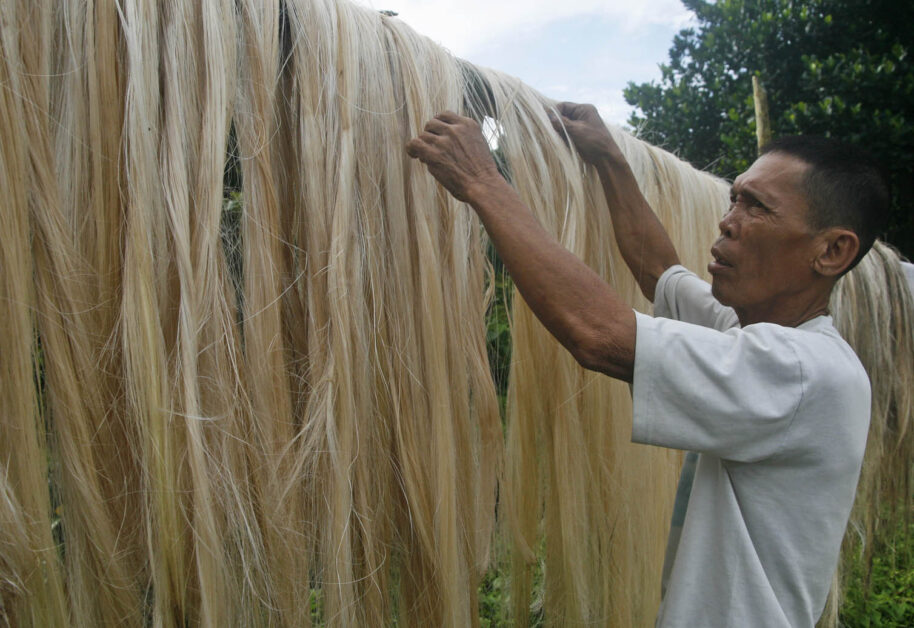
For abaca, Caraga Region in Mindanao ranked third in production at 2.45 thousand MT or 13.9% of the total national production in April-June 2023, the PSA said.
According to the Philippine Abaca Industry Roadmap 2021-2025, the challenges that abaca farmers face include machinery and harvesting tools that need improvement, as well as adaptation to technologies in handling abaca fiber.
Wols said that by partnering with Dutch companies that offer agricultural technology mechanisms, the Philippines “through innovation, efficiency and commitment to maximizing its resources resulting to expertise in smart irrigation, seed technology, certifications, and climate-smart solutions.” (Razl EJ Teman / MindaNews)