

MATI CITY, Davao Oriental (MindaNews / 28 November 2026) — The usual meet-up among friends in Mati City may no longer involve looking for a bar or splitting the cost of a bottle of liquor. Increasingly, it means finding a coffee shop, ordering a drink, and spending hours catching up over a cup of coffee.
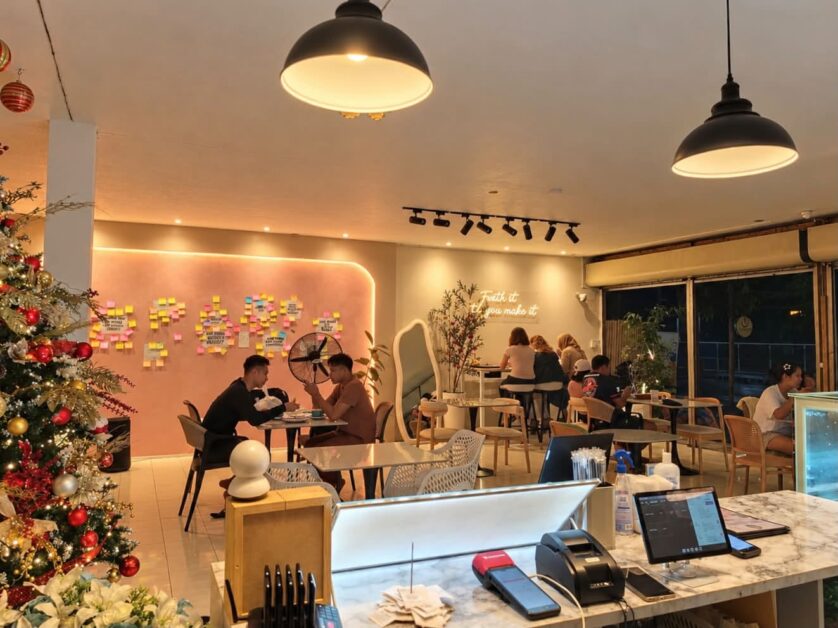
For many young people, coffee has become more than a beverage. It has become part of their social lives, a shared interest, and, for some, even a profession.
Mati’s coffee scene has gradually expanded, with independent cafés, established coffee shops, and pop-up businesses introducing residents to different coffee varieties and experiences.
For Jeffrey Cosare, 28, a barista, this development became noticeable as early as 2018, when established coffee shops started gaining a presence in the city.
“Way back 2018, naa na jud legit nga coffee shop diri sa Mati, didto nako na-realize nga modako jud ang coffee community (Mati already had a legitimate coffee shop, that’s when I realized its coffee community would eventually grow),” he said.
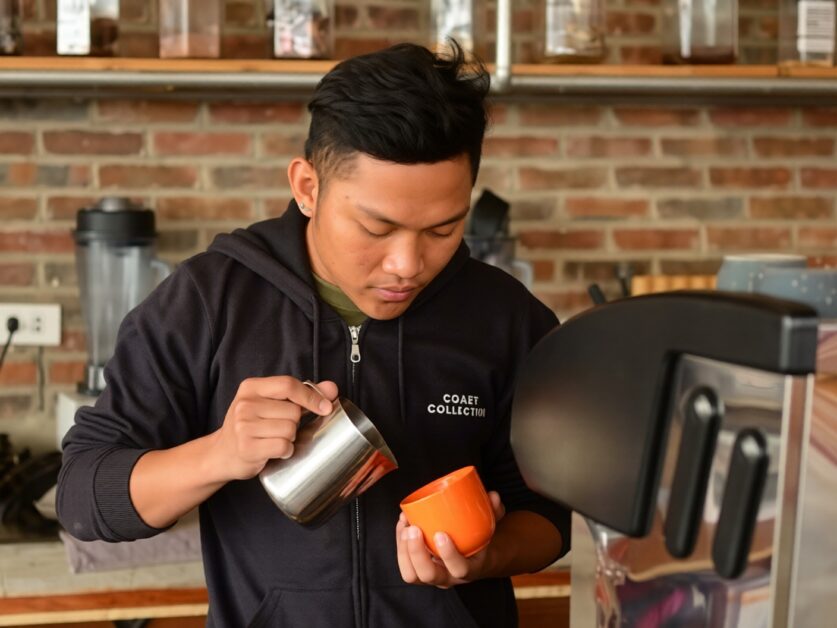
The growth became more evident after the pandemic, when pop-up coffee businesses began emerging and more establishments opened. Cosare noticed that these businesses were not only giving residents more choices but also changing how young people spent their free time.
“Every month, daghan naga-pop up nga coffee shops sa Mati. Nag-change pud ang hobby sa mga Gen Z, na-switch from alak to coffee shops (More coffee shops were opening in Mati almost every month. I also noticed a change in the hobby of Gen Z, it switched from drinking alcohol to spending time in coffee shops),” he said.
For Cosare, the growing number of establishments has also created opportunities for people who have turned their interest in coffee into a profession. It has allowed him to meet fellow baristas and connect with people who share the same appreciation for the craft.
“Nindot jud siya nga naay coffee shops in Mati. Daghan na kog maila nga coffee enthusiasts ug coffee lovers (It’s really nice to see coffee shops in Mati. I’ve gotten to know more coffee enthusiasts and coffee lovers),” he said.
Beyond the growing number of establishments, Cosare sees potential for stronger connections between coffee businesses and local farmers. He observed that some farmers have begun asking about the varieties of beans used by coffee shops and conducting their own research.
“Among beans kay gikan Brazil, and naa nay mga farmers nga mangutana kung unsay variety sa among beans. Naga-conduct pud sila ug research about it (The beans we use come from Brazil, and some farmers have started asking about their variety. They’re also conducting their own research),” he shared.
Although the beans used by his establishment are not locally produced, he sees the farmers’ growing interest as an encouraging development. It also points to an opportunity for the city’s coffee businesses and local agricultural producers to become more connected as demand for coffee continues to grow.
For 23-year-old Aivan Sumondong, a customer and coffee enthusiast who previously worked in the food industry, Mati’s coffee culture is something worth sharing with people outside the city.
He considers affordability one of its strongest qualities, alongside the variety of coffee offerings, locally produced options, welcoming establishments, and approachable baristas.
“Very affordable siya. Daghan ug varieties sa coffee namo diri, ang uban kay locally produced pod. Very accommodating ang mga baristas, and daghan kaayo ka maistorya nga makahatag ug knowledge about coffee (It’s very affordable. We have different coffee varieties here, some of which are locally produced. The baristas are also accommodating, and there are many you can talk to who can share their knowledge about coffee),” Sumondong said.
His appreciation for coffee, however, did not begin as a serious interest. He admitted that he initially got into it because of the social appeal surrounding coffee culture.
“Actually, for clout lang jud unta ang akong pagka-hilig sa coffee. Until napansin nako nga daghan na kog nakaila nga legit coffee enthusiasts. Didto nako na-realize nga naa jud diay coffee community ang Mati (Actually, I initially got into coffee just for the clout. But eventually, I met more genuine coffee enthusiasts. That’s when I realized that Mati really does have a coffee community),” he said.
One activity that reflects this growing interest is the annual coffee crawl. Mati City Coffee Crawl is a local café-hopping event in Mati City, Davao Oriental, where participants visit participating coffee shops, collect stamps or stickers with a “Coffee Crawl Passport,” and earn rewards or raffle entries while supporting local coffee farmers in the province.
By bringing attention to participating cafés, the activity gives customers an opportunity to explore different coffee establishments and discover what each has to offer. It also provides businesses with a chance to reach more customers and become part of a wider community of coffee enthusiasts.
For Sumondong, the coffee crawl is more than an opportunity to try different drinks. It shows how the city’s coffee scene has developed and how the activity can create connections among customers, business owners, and fellow coffee lovers.
The change is also evident in how young people spend time with their friends. Sumondong recalled how his own circle used to meet in bars, but their usual gatherings have since shifted to coffee shops and pop-up booths.
“Before, we used to meet up in bars kay dili pa man gud uso ang kape-kape (because coffee culture wasn’t as popular). Karon (Now), most of our meet-ups are in coffee shops or sa mga pop-up coffee booths,” he said.
He considers the change a positive development, saying that spending time over coffee offers young people another way to socialize.
“Nindot siya kay instead nga hangover ang musugat nimo, mas daghan na nuon kag energy to go on with your day pagkaugma (It’s a good change because instead of waking up with a hangover, you have more energy to go about your day the next morning),” he added.
A national discussion on coffee tax
Coffee’s growing popularity among younger Filipinos recently entered the national discussion on taxation. During a November 25 House committee on ways and means hearing, Olivia Limpe-Aw, Distilled Spirits Association of the Philippines president, suggested taxing coffee instead of further increasing excise taxes on alcoholic beverages, citing the shift in consumer preferences among Generation Z.
However, committee chairperson Miro Quimbo rejected the suggestion, saying the proposal would not be pursued due to its potential impact on coffee farmers and small businesses (ABS-CBN News, November 26–27, 2026; GMA News, November 27, 2026).
Against this backdrop, both Cosare and Sumondong expressed concerns about the possibility of additional taxes on coffee businesses, which they believe could affect establishments and customers alike.
For Cosare, additional costs could make it harder for businesses to maintain affordable prices, particularly for students and young people who regularly visit coffee shops.
Sumondong shares the concern, especially for small and newly established businesses. He believes higher costs could discourage customers from regularly buying coffee and make it harder for newer establishments to stay afloat.
“Disagree ko sa coffee tax kay for sure, maglisod jud ang establishments diri sa Mati, labi na tong mga bag-o pa lang nagsugod. Pricey na gani ang tanan, tapos kung magka-tax pa, mas dako jud ang possibility nga mubalik ang tanan sa clubbing kay mas cheaper na siya (I disagree with the coffee tax because establishments here in Mati would surely struggle, especially those that have only recently started. Everything is already expensive, and if another tax is imposed, people might return to clubbing because it could become the cheaper option),” he said.
He illustrated his concern by comparing how groups of friends share expenses when drinking and buying coffee.
“Maka-amot-amot mo ug maka-tunga-tunga mo for a bottle of liquor, pero dili ninyo ma-amot-amotan ang 12-ounce nga kape (A group of friends can contribute money and split the cost of a bottle of liquor, but they might not be able to do the same for a 12-ounce cup of coffee),” he added.
For both Cosare and Sumondong, affordability remains an important part of what makes Mati’s coffee scene accessible. Additional costs passed on to customers could discourage regular visits and place further pressure on small businesses.
As more coffee shops open and more people discover their interest in coffee, Mati’s coffee culture continues to take shape. It has created opportunities for aspiring baristas, encouraged young people to explore new social spaces, and opened conversations about the potential of local coffee production.
What began for some as a passing trend has become a genuine interest, a profession, and a way to connect with others.
In Mati, coffee is becoming more than just a drink. It is bringing people together, creating opportunities, and giving a growing community something to share, one cup at a time. (Norielle Tonong / MindaNews)


